Bean to Bar
Bean-to-Bar Chocolate: Step-by-Step for Beginners
Complete beginner's guide to making bean-to-bar chocolate at home. Covers every step from raw beans to finished bars with times, temperatures, and what to expect.
Complete beginner's guide to making bean-to-bar chocolate at home. Covers every step from raw beans to finished bars with times, temperatures, and what to expect.
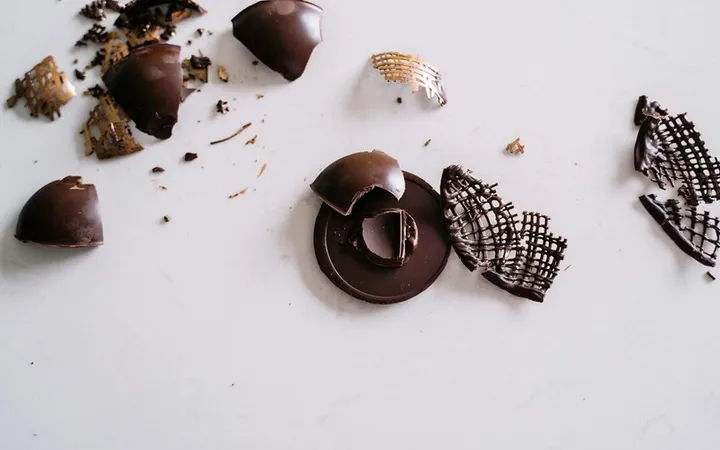
What home and small-batch makers need to know about Salmonella risk, roasting as a kill step, heavy metals, mycotoxins, PAHs, FDA shell limits, and basic HACCP principles.
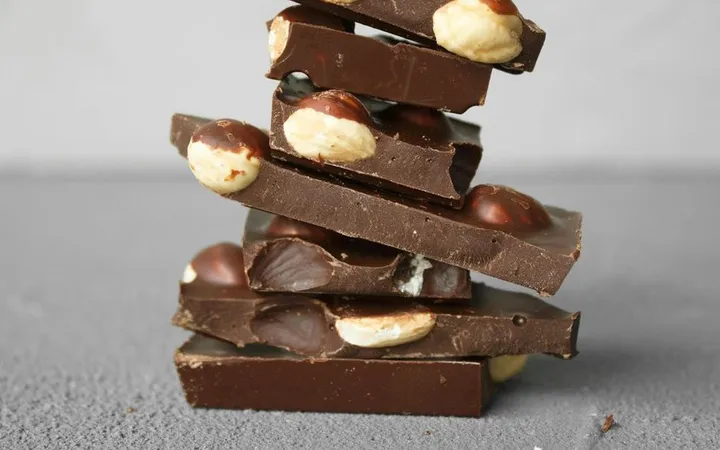
Why freshly tempered chocolate doesn't taste its best, how flavor evolves over days and weeks of aging, optimal storage conditions, and when aging crosses into degradation.
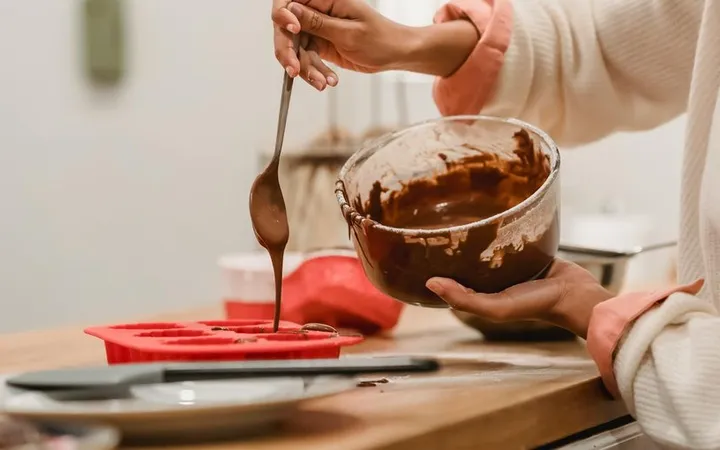
Polycarbonate vs silicone molds, proper filling technique, cooling rates, contraction mechanics, common defects, and tips for molding inclusions and bonbons.
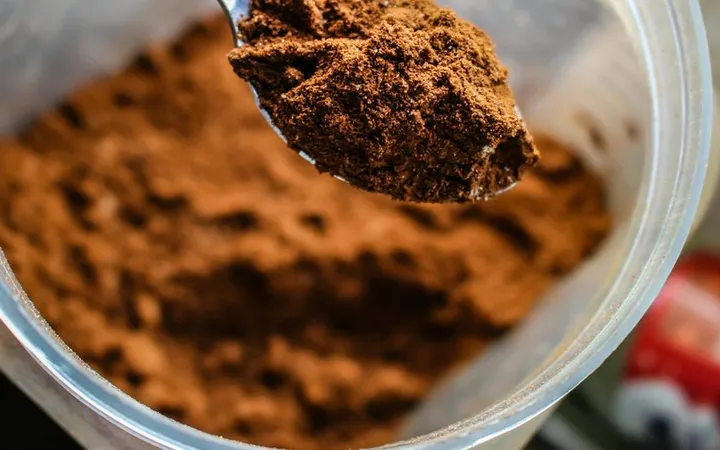
A systematic troubleshooting guide for every common off-flavor in bean-to-bar chocolate. Root cause, fix, and prevention for vinegary, smoky, hammy, metallic, and chemical notes.
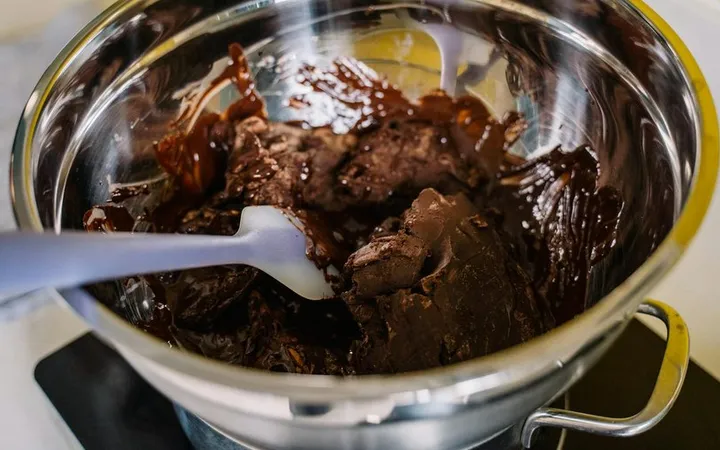
Why your chocolate is too thick to work with, what the Casson model means in plain English, and the precise fixes — cocoa butter, lecithin, PGPR, and pre-refining sugar — that actually solve viscosity problems.

Fix tempering problems with this systematic guide. Covers broken temper, soft set, bloom, over-seeding, and why room temperature and water both destroy temper.

Conching develops chocolate flavor by oxidizing volatile acids, shaping particles, and distributing fat. Learn how long to conch and what the three industrial phases do.
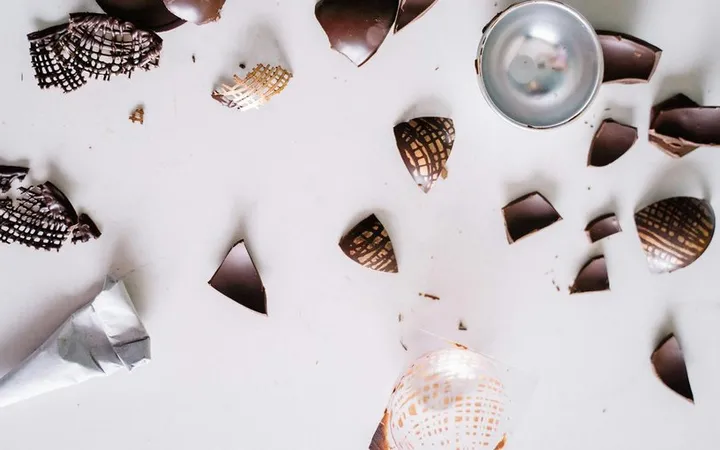
The two types of bloom distinguished visually and by cause. Fat bloom from crystal transition, sugar bloom from moisture — and the storage practices that prevent both.
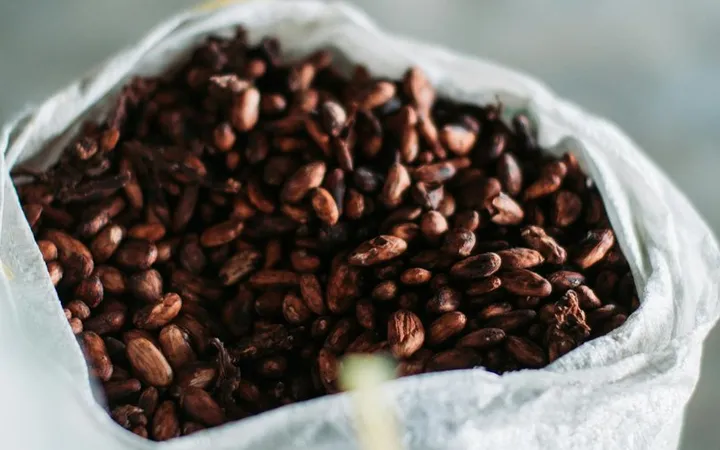
Crack and winnow cacao beans to clean nibs using a Champion juicer, fan, and these exact methods. Includes the FDA husk limit and Dandelion's Ten-Minute Rule.
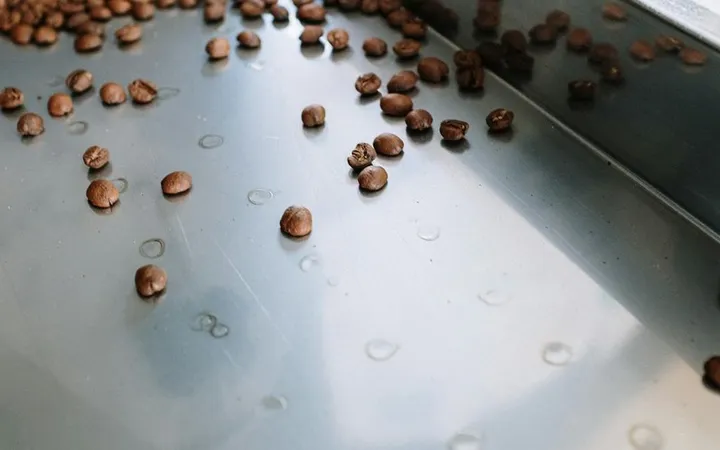
Roast cacao beans using the Behmor 2000AB or home oven with Nanci's three-phase system. Exact temperatures, times, and how to develop a profile for each origin.
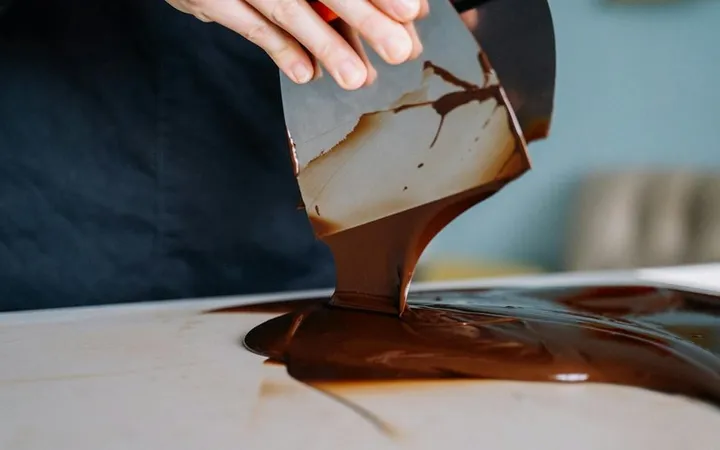
Learn to temper chocolate using the seed method with exact temperatures for dark, milk, and white. Covers why Form V crystals matter and how to test your temper.
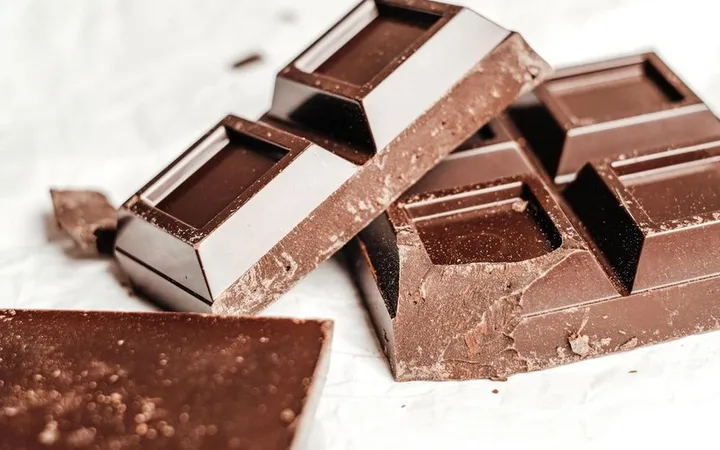
Master the melanger refining process for bean-to-bar chocolate. Covers loading, refining times, particle size targets, conching, and common problems.